Skip to content
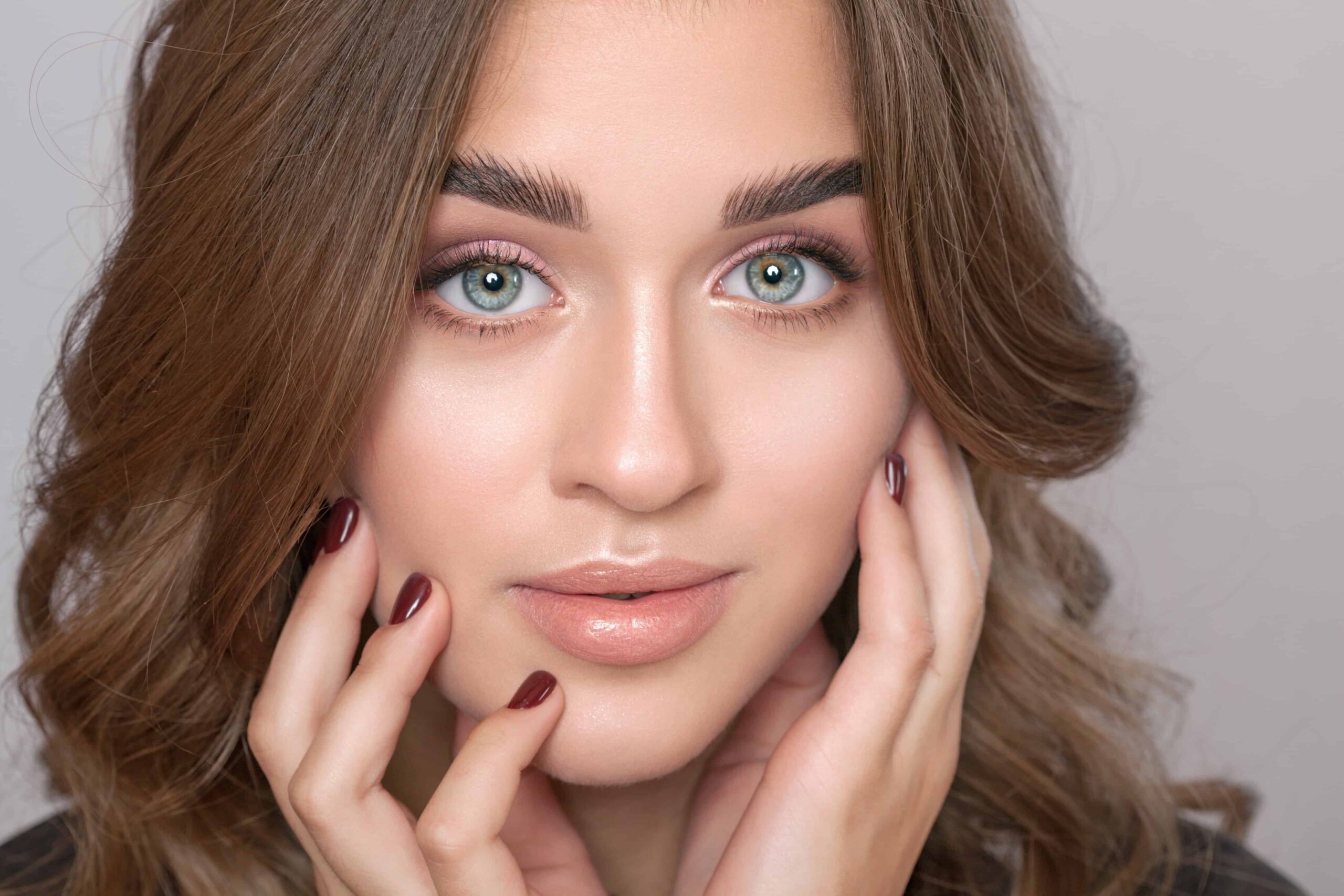
If you’ve spent any time on skincare TikTok, Reddit threads, or in a group chat with friends comparing “what actually worked,” you’ve probably noticed the mood shift. People still want smoother skin and fuller hair, but fewer want the frozen look, the overfilled face, or a treatment plan that needs constant upkeep.
Instead, the conversation keeps circling back to one thing: regeneration. That’s where PRF therapy fits in, and it’s why more patients are asking about it at Bradenton Aesthetics, especially if they feel stuck between “doing nothing” and going too far. You’ll leave with a clear understanding of how Platelet Rich Fibrin treatment works, who it helps most, and what to expect if you’re considering PRF therapy in Bradenton, FL.
What is PRF therapy?
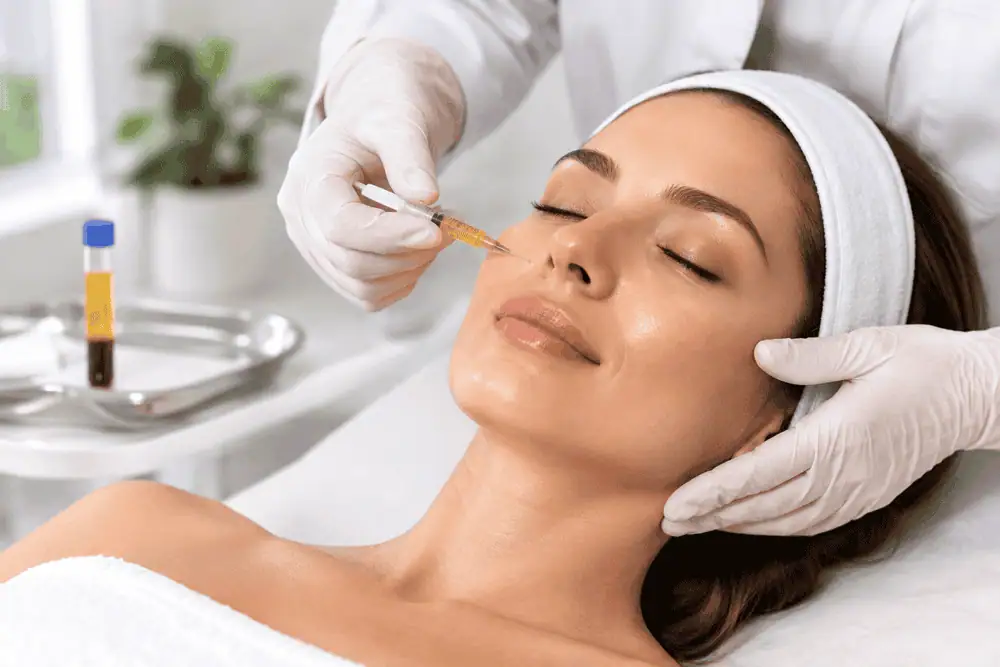
PRF stands for platelet-rich fibrin. A platelet-rich fibrin treatment starts with a small blood draw, similar to standard lab work. Your provider spins that blood in a centrifuge to separate and concentrate components that support healing and collagen production.
Here’s the key difference: PRF forms a fibrin matrix, which helps hold those regenerative cells in place and release supportive growth factors more gradually. Many PRF protocols also avoid anticoagulants, which is one reason patients like the “from your own body” approach.
In aesthetics, providers commonly use PRF to support:
- Under-eye brightness and texture
- overall skin quality and firmness
- acne scarring and certain types of scarring
- hair density and scalp health
Think of PRF less like “instant change” and more like better tissue over time.
PRF is the Future of Regenerative Medicine
When people ask why PRF is gaining momentum, here’s why:
It improves skin quality, not just surface glow.
PRF supports the processes tied to collagen and tissue repair, which is why it’s often chosen for PRF skin rejuvenation when someone wants a smoother texture and a more rested look.
It works well in delicate areas.
The under-eye area can be tricky. Many people want improvement but worry about looking puffy or “done.” A PRF facial treatment can be a good option for patients focused on under-eye concerns because it supports tissue quality gradually.
It fits into a “low downtime” lifestyle.
Busy schedules don’t leave room for long recovery periods. Most patients can return to normal life quickly, with swelling or bruising as the main short-term possibilities.
It supports hair restoration goals.
If you’re seeing widening parts, shedding, or thinning at the hairline, PRF for hair loss can support the scalp environment and complement a broader hair plan. (It’s not a same-day miracle, but it can be a meaningful part of consistent care.)
It pairs well with other treatments.
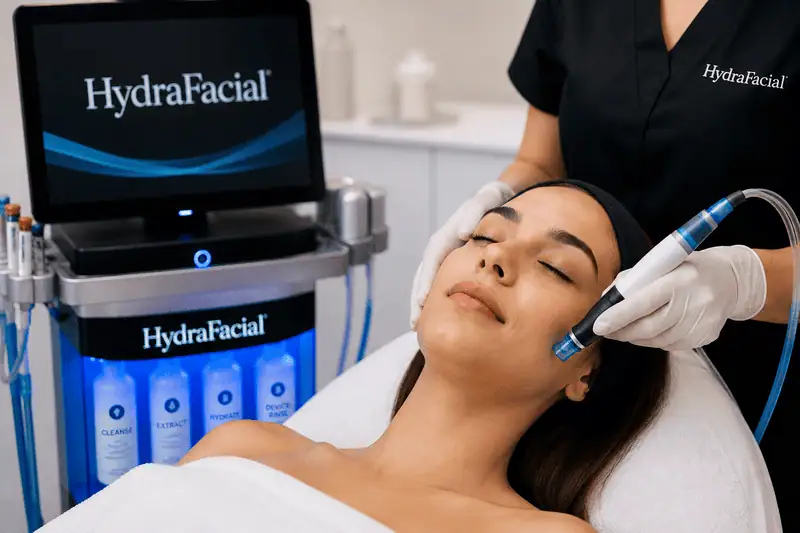
Many patients combine PRF with collagen-stimulating services, especially if they want to address texture and tone together. For example, microneedling creates microchannels that can complement PRF protocols for some patients.
About Bradenton Aesthetics
Bradenton Aesthetics offers a thoughtful approach to aesthetic care, with treatments chosen for natural-looking results and long-term skin health. If you’ve felt overwhelmed by trendy options or worried about looking “done,” our team focuses on education, comfort, and realistic expectations.
PRF vs PRP therapy: What’s the Difference?
You’ll often see PRF compared to PRP. Both come from your blood, and both concentrate platelets. The main difference comes down to structure and release.
PRF contains a fibrin scaffold, which supports a slower, more sustained release of growth factors in lab studies. That sustained release is a big reason providers consider PRF a strong option for gradual tissue support.
Who is This Best for?
PRF works best for patients who want natural-looking improvement and feel comfortable with results building over time.
You may be a strong candidate if you:
- Notice tired under-eyes, dark circles, or crepey texture
- Want to soften fine lines without looking overdone.
- Have acne scarring or mild scarring you’d like to improve.
- See early hair thinning and want a non-surgical option.
- Prefer treatments that use your own biological materials.
Age-wise, many people start exploring PRF in their late 20s through their 50s, but the better filter is your goal, not your birthday. Skin type also matters less than your lifestyle and expectations.
What to Expect
PRF feels much less intimidating when you know the timeline.
Pre-treatment prep
Your provider will give personalized instructions, but common guidance includes:
- Hydrate well for a few days beforehand
- Arrive with clean skin if treating the face.
- Avoid certain supplements or anti-inflammatories if your provider recommends it (and always check with the prescribing physician before stopping any prescription blood thinners)
Treatment day
Most appointments take about 45 to 60 minutes, depending on the area and whether you’re combining services.
A typical flow looks like this:
- Quick blood draw
- centrifuge processing
- numbing (for facial areas, when appropriate)
- placement of PRF in targeted areas
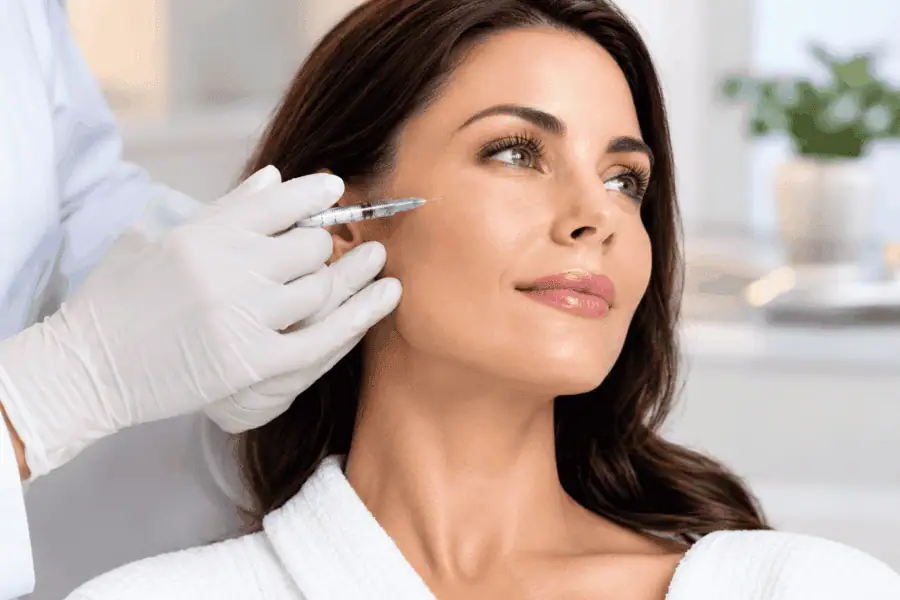
If you’re doing PRF injections for the face, you’ll feel pressure and small pinches, but numbing helps. The under-eye area can feel sensitive, so tell your provider what you’re feeling. Comfort adjustments make a big difference.
Downtime and recovery
Expect mild swelling, tenderness, or small bruises where the PRF was placed. Many people schedule PRF at least 1 to 2 weeks before a big event, just in case bruising lingers. You’ll usually return to normal activities quickly, but follow your provider’s aftercare, especially around exercise, alcohol, and skincare ingredients.
When the results show and how long they last
PRF rewards patience. Some people notice early brightness or “rested” skin within a couple of weeks, but the more meaningful changes build over a few months as your skin responds.
Many protocols involve a short series of sessions spaced several weeks apart, followed by maintenance depending on goals and age-related changes. Your consult should outline a realistic schedule for you. If hair is your focus, PRF results typically take longer to appreciate because hair growth cycles move slowly.
Frequently asked questions
How is PRF therapy different from PRP?
PRF therapy uses a fibrin matrix that can support a slower release of growth factors compared with PRP. Both start with a blood draw and centrifuge process, but PRF’s structure may make it a better fit for gradual tissue support, especially in delicate areas like the under-eyes.
How many sessions will I need?
Many patients do a short series, commonly three to four sessions spaced about four to six weeks apart, then reassess. Your ideal plan depends on your starting point, your goals (texture, under-eyes, scars, hair), and how your body responds to PRF therapy over time.
When will I see results, and how long do they last?
Some people notice subtle improvements within weeks, but collagen-related changes usually build over months. Results vary by area and plan. Maintenance sessions can help sustain the benefits, especially if you’re addressing ongoing concerns such as thinning hair or progressive skin laxity.
Glow Up Your Skin
At Bradenton Aesthetics, your consultation stays practical and personalized. You’ll discuss your goals, review your options, and leave with a plan you can feel confident about. Book Your PRF Consultation Today!